Wednesday, 6 May 2015

After a disaster: Ensuring families can honour the dead


As part of the International Red Cross and Red Crescent Movement's assistance to communities affected by the Nepal Earthquake, the ICRC sent forensic expert Shuala Drawdy to help with our response.

Shuala talks about the role that she and her other colleagues are playing in the aftermath of the devastating earthquake, which has left thousands dead and countless more injured and homeless.

The ICRC is supporting the Nepal Red Cross Society in their response to the escalating needs of families and affected communities. This includes restoring contact between family members separated by the earthquake, and providing critical first aid materials and support. Thanks to the availability of emergency kits, NRCS volunteers were among the first who arrived to treat the wounded and to rescue those still trapped.

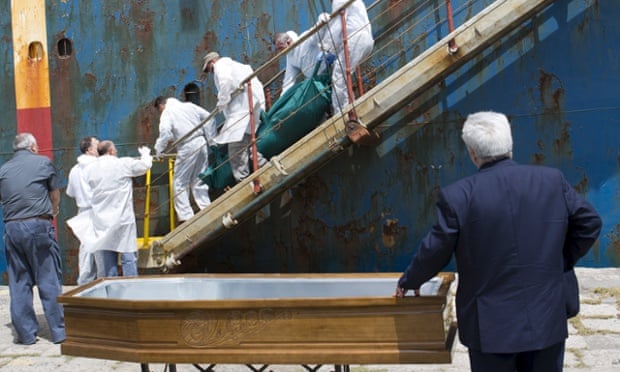
The ICRC is also promoting proper and dignified management of dead bodies avoiding that unidentified bodies are cremated or hastily buried. To this end, we have provided 400 dead body bags to the Department of Forensics Medicine. In addition, 7 sets of dressing modules have been provided to the hospitals to treat quake injured people.

What assistance can an ICRC forensic expert provide?

Forensic experts from the ICRC can give advice and support to authorities and local experts on how forensic science can help address humanitarian challenges, such as how to deal with dead bodies.

After a disaster, the ICRC can offer guidance on gathering information about those who have died, and provide technical advice to ensure local systems can identify and properly manage dead bodies, with dignity while maintaining respect for cultural practices.

We also provide training to emergency responders in the recovery and transport of dead bodies, and to people who have the role of identifying the dead – so that their families can be located and bodies can be returned.

What is the current situation in Nepal and what assistance is being provided by the ICRC's Forensic Services?

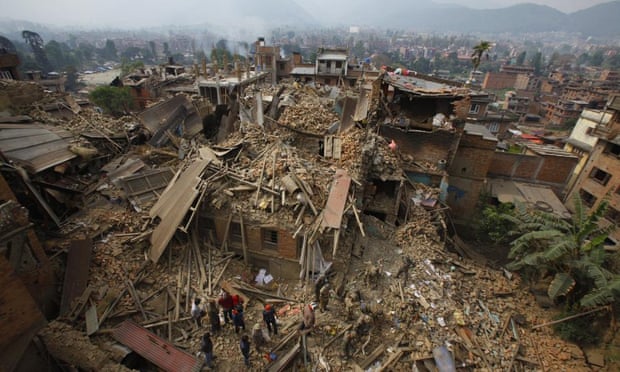
The situation is quite challenging. The focus has been on searching for the wounded and on rescuing those trapped under rubble.

There are thousands of unrecovered bodies in the communities that were affected by the earthquake. The extent of the aftermath is not fully known, but in the areas the ICRC has had access to we have already begun to distribute body bags and assist these communities with how they can manage their dead.

The ICRC is also working directly with local authorities, providing advice and support as needed. It is essential that unidentified bodies are not cremated, so their families can have the opportunity to carry out their own funerary rites once identification has taken place.

Who deals with dead bodies after a disaster – the ICRC or the authorities?

The responsibility of managing dead bodies lies always the authorities—they have jurisdiction and this should be respected. However, the ICRC can provide assistance to local authorities if requested and required, and has the expertise to work with and provide support to families who are seeking missing relatives.

Are there any myths or perceptions about dead bodies that you would like to dispel?

The biggest myth is that dead bodies cause epidemics. This is not true. The bodies of people who have died in a disaster do not cause epidemics, because they have normally died as a result of traumatic injury, drowning or fire.

Wednesday 6 May 2015

https://www.icrc.org/en/document/after-disaster-ensuring-families-can-bury-their-loved-ones

continue reading

Tuesday, 5 May 2015

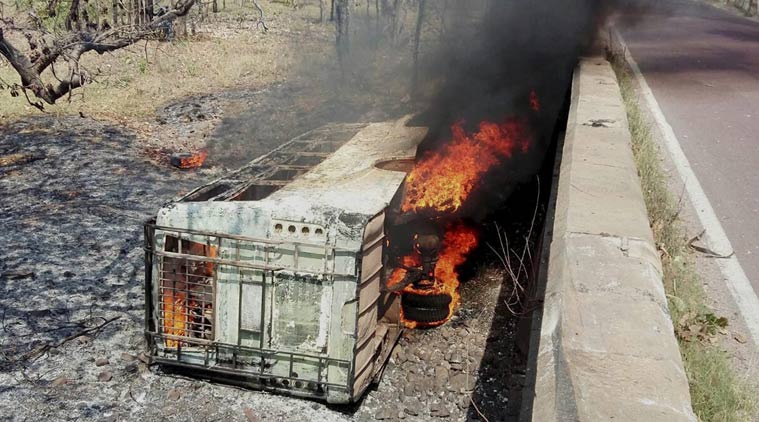
Madhya Pradesh bus accident: DNA tests ordered


The remains of the people killed in a bus accident in Madhya Pradesh's Panna district will be sent for DNA test, police said on Tuesday.

The relatives would get compensation only after their DNA matches with those of the deceased.

The incident occurred on Monday after a bus fell into a ditch and caught fire. Twenty one people were charred to death.

"Since we were able to find only the skeletons because of the major fire, the identification of bodies could be done only through DNA test", district Assistant Superintendent of Police R.D Prajapati told IANS on Tuesday.

Prajapati said the samples of the bodies were being taken and they would later be matched with samples taken from their relatives.

The driver of the bus survived the accident but suffered serious head injuries.

He said the steering wheel of the bus jammed leading to the accident.

Tuesday 5 May 2015

http://www.daijiworld.com/news/news_disp.asp?n_id=316901

continue reading

Nepal: Retrieving the remains of Jewish victims for burial

With the body of 22-year-old hiker Or Asraf in the airport en route to Israel, Rabbi Chezky Lifshitz, co-director of Chabad of Nepal, says the grisly work of searching for Jewish remains continues in the wake of the April 25 earthquake that crippled the South Asian nation. “Jewish families whose loved ones are missing have turned to us for help locating the bodies of their children, sisters, brothers,” explains Lifshitz, “and we are doing all we can to locate those bodies as soon as possible and get them to a Jewish burial. We call it chesed shel emet, the true altruistic kindness, because the recipients can never repay us for it.” Jewish law places a premium on bodies being buried as soon as possible after the moment of passing. In Nepal, there is an added urgency, as Hindus routinely cremate their dead, which is forbidden by halachah (Jewish law). In these chaotic times, there is a real chance of local officials simply burning remains before anyone can stop them. RELATED Related News Stories For Israeli Soldiers and Rescue Teams in Nepal, a Semblance of Home Comforting the Friends and Family of Deceased Israeli Hiker Chabad Centers Chabad House of Kathmandu Knowledge Base Kathmandu, Nepal(15) More from Chabad.org Hope in Katmandu Israeli President Rivlin Hosting Lifshitz Kids from Nepal
The work is further complicated because most countries do not have data on the religious affiliation of their citizens—let alone tourists—so Jews in need of burial are hard to locate among thousands of unidentified remains are scattered throughout the country.

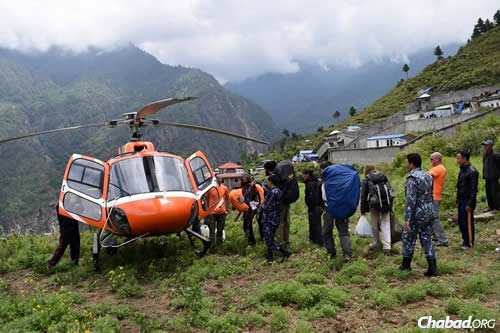
Lifshitz has been flying via helicopter all over the country in search of both the living, who may still be stranded in far-flung places, and the dead, so their remains will be handled properly.

So far, he and his fellow rescuer, British-born Yehuda Rose, have brought hundreds of survivors back to safety at the Chabad House in Kathmandu, including a Nepali man who lost his entire family and all his possessions in the quake.

British-born Yehuda Rose, left, flew to Nepal after the earthquake and has worked with Rabbi Lifshitz to bring hundreds of survivors back to safety at the Chabad House in Kathmandu, including this Nepali man, who lost his entire family and all his possessions in the quake.

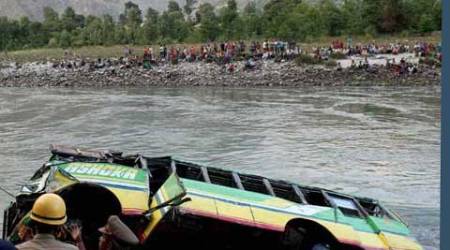
The rabbi sadly has some experience in locating and transporting tourists who have lost their lives in the often treacherous mountain treks. Notably, in the fall of 2013, he brought the body of Marina Muchnik—whose bus had plunged into a ravine—back to her family in Melbourne, Australia.

Earlier that same summer, George Abboudi, a 22-year-old Jewish man from Leeds, England, went missing. The Lifshitzes led a massive search effort only to discover that he had fallen into a river and died, and had been cremated by local villagers.

While the rabbi spends his days and nights choppering around the country, his wife, Chani, and a staff of volunteers continue to run extensive relief efforts, bringing meals to a refugee camp of some 3,000 Nepalis on a daily basis. Simultaneously, they serve as a home base for the Israeli rescue and medical teams that have come to the aid of the beleaguered nation.

Said the rabbi: “I wish what we offer could heal the wounded and the suffering … if not their bodies, then at least their souls.”

Tuesday 5 May 2015

http://www.chabad.org/news/article_cdo/aid/2938299/jewish/Next-Task-in-Nepal-Retrieving-the-Remains-of-Jews-for-Burial.htm

continue reading

Britain’s worst rail disaster: Soldiers on way to Gallipoli were caught up in rail crash inferno


Britain’s worst rail disaster - Quintinshill near Gretna - is to be remembered at a centenary parade and commemoration service on Thursday, May 21.

The collision resulted in the death of two Bo’ness servicemen and seriously injured another as they headed south to meet up with a boat heading for Gallipoli.

The majority of those killed were soldiers travelling on a Larbert to Liverpool service, drawn largely from the 1/7th (Leith) Battalion, the Royal Scots.

The regiment had been camped at the Tryst, Stenhousemuir, for several weeks and was travelling to Liverpool docks en route to the front at Gallipoli in Turkey.

The disaster occurred at 6.50am on May 22, 1915, when the troop train travelling from Larbert collided with a local passenger service that had been shunted on to the main line.

An express train, travelling at speed to Glasgow crashed into the wreckage a minute later with horrifying and devastating results. The gas lights fitted in the train carriages, which themselves were wooden built, created an inferno.

The accident was later found to have been caused by poor working practices on the part of two signalmen, George Meakin and James Tinsley, who were subsequently jailed for culpable homicide.

The former worked night shift at a nearby signal box and was supposed to be relieved by the latter at 6am. However, the two men had an informal arrangement allowing Tinsley to arrive later, coming by train, rather than walking the 1.5 miles from Gretna.

In order to hide their malpractice they ignored the correct procedures on recording train movements leading to the disaster.

Of the two Bo’ness deaths recorded, the first was that of Thomas Barnett, a private in the Royal Scots 7th Battalion.

He was the son of George Barnett, a boot repairer, of South Street, Bo’ness.

Having been discharged from the Royal Field Artillery due to an injury, he re-presented himself for active service at Blackness Castle during a recruiting campaign for the 7th Royal Scots.

It was reported in the Linlithgowshire Gazette at the time that Thomas had married shortly before he met his death on May 22, 1915, and that his wife continued to live at Corbiehall after his untimely death.

The second death was of Andrew Williamson, also a private in the 7th Royal Scots.

He lived with his widowed mother at Cowdenhill, Grangepans, and was the youngest sone of the late George Williamson.

Andrew had previously been employed as a miner before enlisting. His age at the time of his death was given as being 19 years old.

The one local survivor was Albert Munro of 14 Mayfield Terrace, Grangepans. The Linlithgowshire Gazette reported that Albert’s survival was solely down to the fact that he was travelling in a carriage located halfway down the train and had managed to jump from a window just before the collision occurred.

Further research seems to suggest that Albert survived the war as no record can be found on either the Bo’ness War Memorial or the list of soldiers who perished during the Great war of 1914-1919.

The commemoration will take place at Larbert Church at 7pm. A parade will leave Larbert Station at 6.40pm.

After the terrible tragedy came the grim funerals...

A number of bodies were never recovered, having been completely consumed by the fire, and when the bodies of the men of the Royal Scots were returned to Leith on May 24, they were buried together in a mass grave in Edinburgh’s Rosebank Cemetery.

The bodies were escorted by the 15th and 16th Battalions Royal Scots,and the Edinburgh Pals battalions recently assembled and still undergoing training. The cortege took four hours to complete its sad task.

The coffins were laid three deep with each on the top row covered in the Union flag with the deceased being afforded a burial with full military honours.

The public was excluded although 50 wounded servicemen who were convalescing at a nearby military hospital were allowed to attend.

The ceremony lasted three hours at the end of which a volley of three shots was fired and the Last Post played.

A memorial was erected in Rosebank Cemetery in 1916.

Of the troops, 83 bodies were identified. Eighty-two were recovered but unrecognisable and 50 were missing altogether giving a total of 215 but which was later revised by the army to 214.

Among the coffins were four bodies which were unidentified. One coffin was simply labelled as ‘little girl, unrecognisable,’ and another as ‘three trunks, probably children’.

As no children were reported missing the railway company moved the bodies to Glasgow for possible identification but no one came forward to claim the bodies. The four were buried in Glasgow’s Western Necropolis on May 26 in what was reported as a ‘‘very touching service’’.

The engine crew of the troop train were both from Carlisle and they were also buried on May 26 at the local Stanwix Cemetery.

The final legal inquiry into the disaster was held on November 4, 1915, in Dumfries and was an inquiry under the Fatal Accidents Inquiry (Scotland) Act.

Tuesday 5 May 2015

http://www.linlithgowgazette.co.uk/news/local-news/soldiers-on-way-to-gallipoli-were-caught-up-in-rail-crash-inferno-1-3760555

continue reading

Dozens of migrants feared drowned in Mediterranean


At least 46 migrants are feared to have drowned in the Mediterranean after falling out of a rubber boat as a rescue ship approached, survivors have said.

The accident is the first major Mediterranean disaster since the drowning of about 800 migrants in mid-April. It occurred despite Italian-led rescue operations that saved up to 7,000 others over the weekend, and brings the 2015 death toll to more than 1,700 – about 17 times higher than the number of people who had died by the end of April 2014.

Dozens of would-be migrants are reported to have drowned between Libya and Sicily, the latest tragedy in the Mediterranean this spring. The increasing numbers making the perilous journey on overloaded boats has brought the issue of migration into Europe to a head. But what can be done about it?

The migrants died as they waited to be saved from their stricken vessel in the early hours of Monday morning. Standing on the edge of a packed inflatable dinghy, dozens overbalanced and fell into the sea, according to testimonies gathered by the International Organisation for Migration.

Video obtained from a crew member of the cargo ship Zeran showed migrants jumping off their deflating dinghy to catch lifebuoys tossed into the water. Other migrants use empty jerry cans as floats.

At least 91 people survived, mainly economic migrants from Gambia, Senegal, and Nigeria. They were rescued by a commercial ship, the Zeran, and on Tuesday they reached Sicily, where they told support staff of their ordeal.

Flavio Di Giacomo, an IOM spokesman, told the Guardian: “They left Libya, but they don’t know where from, on Saturday night at midnight, and the shipwreck occurred one day later at about 1am on Monday. They had problems inside the dinghy and when they saw the commercial ship they tried to move.”

In the scrum, 46 migrants toppled into the sea and drowned. Five bodies have been retrieved.

The biggest Mediterranean disasters usually involve wooden or steel trawlers. But this week’s stricken boat is almost certain to have been a large inflatable dinghy, known as a Zodiac, which is designed to carry up to 24 passengers.

Libyan smugglers interviewed by the Guardian admitted they drastically overloaded these smaller boats in an attempt to make a bigger profit, and fitted them with wooden planks to make them more buoyant. Some smugglers acknowledged the vessels should not be used to cross the Mediterranean.

One Tripoli-based smuggler said last month: “It’s impossible that they reach their destination like that. But there are people who do it. They’re cheap and people know it has a slim chance.”

Another smuggler, based in the western town of Zuwara, claimed it was safe to pack a Zodiac with up to 50 passengers, but any more was irresponsible. The smuggler said: “It all depends on the build. The smaller they are, if they’re Bangladeshis for example, the more you put on. [Smugglers] who don’t have ethics put more than 50 onboard.”

Survivors of another Zodiac boat, which was carrying more than 100 migrants, said their vessel was so overloaded that passengers had little room to move. Those at the edge frequently fell into the water, and those in the middle could only relieve themselves by urinating on their fellow passengers, they said. “They pissed on all our clothes,” said Fatima Bahgar, a 20-year-old Malian student who survived a Zodiac trip last month. “I was sick of the scent.”

The IOM said the volume of boats being rescued close to the Libyan shore this week showed it was vital that the EU’s revamped rescue operations patrolled the southern waters of the Mediterranean as a matter of course. Italian naval ships did so until October, but stopped because of a lack of EU support.

The EU’s replacement mission – Operation Triton – usually operates much closer to the European maritime border. Amid public outcry at recent deaths, the EU has pledged to expand Triton’s activity, but by what amount is not yet known.

Di Giacomo said: “What is clear is that we don’t know how the new Triton operation will work and if it will patrol the area far from the Italian coast. This weekend is proof that migrants need to be rescued very close to the Libyan coast.”

The IOM spokesman also highlighted how commercial ships were being forced to carry out a disproportionate amount of rescue operations. “It’s thanks to the commercial ships that a lot of the migrants are being rescued. They’re called by the Italian coastguards, they’re in contact with the Italian coastguard – but nevertheless they’re rescuing a lot of people,” he said.

Turkey’s coastguard has rescued 636 people trying to cross the Aegean sea over the last five days, a provincial governor’s office said on Tuesday. More than 400 of the rescued migrants were from Syria, while others were from Iraq, Afghanistan, Burma and some African countries, according to the governor of the coastal Izmir province.

Tuesday 5 May 2015

http://www.theguardian.com/world/2015/may/05/dozens-of-migrants-feared-drowned-in-mediterranean

continue reading

Trekkers' bodies yet to be identified in Nepal


The bodies of 100 trekkers and villagers have been found where an avalanche hit outside Nepal's capital, triggered by last month's earthquake.

Police and local volunteers recovered the bodies over the weekend at the Langtang village, 60 kilometres north of Kathmandu, on a popular trekking route.

The entire village, including 55 guesthouses for trekkers, was wiped out by the avalanche.

Authorities say at least seven foreigners are included amongst the dead, but only two have been identified.

In Australia, the wait to hear the names of the dead is excruciating.

Adelaide man Brett White says it's believed his brother Tyronne reached the Langtang region while trekking the country to explore its beauty.

A Facebook message was Tyronne's last contact with home.

He hasn't been heard from since.

"I've called companies over there, like the trekking association. I've called the Australian embassy over in Nepal. I've tried to call... even there was one other random guy that said he was going to try and get a helicopter to go up there. And I've contacted him, if he went up there, to try and actually look for my brother. Things like that. I've just tried to call anyone and everyone."

Meanwhile medical aid agency Doctors Without Borders is in Nepal, setting up medical clinics and tent hospitals in Kathmandu, and helicopter flights into remote areas.

The organisation's emergency coordinator in Nepal, Anne Taylor, says adding to the tragedy is the quake's impact on remote regions, where access is difficult.

"The problem is that the only access really is by foot, and there's a lot of slips. Well there's been some slips since that have killed people even. We're using helicopters to get teams in, but again even with a helicopter we can't land. So it's this ongoing problem that won't go away, really."

More than 7,000 people have been killed in the disaster, but Nepalese Prime Minister Sushil Koirala expects the death toll could reach 10,000.

MSF's Anne Taylor says the reality is they still cannot put together a complete picture of the damage.

"I think it's going to be extremely ambitious to be able to get to all the villages that have been, you know, have really been damaged very very severely. So it's going to be very difficult to have it quantified very very specifically."

Aid workers are struggling to help those survivors in out of reach places.

Some haven't eaten since the earthquake struck on April the 25th.

But the United Nations World Food Programme Executive Director Ertharin Cousin says they will reach every person in need.

"We've prepared for this disaster, so we are ahead of the game of providing the support that is necessary. What we need is to continue to ensure that we receive the resources that are required, so that no person goes hungry and no person goes without the assistance that they need."

Meanwhile the Nepalese government has begun asking foreign teams to wrap up search and rescue operations, stating hope of finding people alive in the rubble has diminished.

And the families of the missing people remain uncertain of what news each day will bring.

Brett White considers going to Nepal to find his brother, but he doesn't know if it will make a difference.

"I, yeah, I'm considering it. But still, there's so many things happening over there, I'm not sure if I would actually help or not."

Tuesday 5 May 2015

http://www.sbs.com.au/news/article/2015/05/05/trekkers-bodies-yet-be-identified-nepal

continue reading

Monday, 4 May 2015

18 dead in Afghanistan bus crash


At least 18 people were killed and three injured on Sunday when a minivan overturned in western Afghanistan, provincial officials said.

The accident in the Bala Murghab district of Badghis province was due to the driver’s “recklessness,” said provincial governor’s spokesman Mirwais Mirzakwal, who gave the casualty figure.

Sharafudeen Majeedi, chief of staff in the governor’s office, confirmed the death toll.

The injured were taken to hospital by local people while police and a rescue team retrieved the bodies.

Afghanistan has some of the world’s most dangerous roads and deadly accidents are common.

In April 2013 a bus hit a wrecked fuel tanker in the southern province of Kandahar, killing 45 people.

He says the accident happened early Sunday in Bala Murghab district. Badghis is one of Afghanistan’s poorest and least developed regions.

Poorly-maintained roads and reckless driving are major issues in Afghanistan. Road fatalities top 6,000 annually, according to the World Health Organization.

Monday 4 May 2015

http://www.arabnews.com/world/news/741556

continue reading

Italy says 10 migrants die, 5,800 rescued in ongoing mission


Nearly 5,800 migrants were plucked from boats off the coast of Libya and 10 bodies were recovered in less than 48 hours, Italy's coast guard said, in one of the biggest rescue operations this year.

Two weeks after nearly 900 boat people drowned in the worst Mediterranean shipwreck in living memory, the flow of people desperate to reach a better life in Europe has accelerated as people smugglers take advantage of calmer seas.

Seven bodies were found on two large rubber boats packed with migrants and rescuers plucked from the sea the corpses of three others who had jumped into the water when they saw a merchant ship approaching, the coast guard said.

Separately, authorities in Egypt said that three people died when a migrant boat attempting to reach Greece sank off its coast. Thirty-one people were rescued.

Italy's coast guard has coordinated the rescues by its own navy and coast guard, a French ship acting on behalf of the European border control agency, merchant ships, and one vessel run by the privately funded Migrant Offshore Aid Station.

Growing lawlessness and anarchy in Libya - the last point on one of the main transit routes to Europe - is giving free hand to people smugglers who make an average of 80,000 euros ($90,000) from each boatload, according to an ongoing investigation by an Italian court.

Libyan state news agency Lana said on Sunday authorities there detained 500 migrants in five boats off Tripoli and a further 480 migrants - from Sudan, Somalia, Eritrea and Ethiopia - were caught in a farm near the central town of Jufra, and another 170 were detained nearby.

Those rescued in the Italian operation were being brought to Italian shores, some already arriving at Lampedusa, Italy's southernmost island, and others at Trapani, Sicily. More were to be brought ashore overnight and on Monday.

Shocked by last month's record disaster, European Union leaders agreed to triple funding for the EU sea patrol mission Triton, but there is still disagreement on what to do with the people fleeing conflict and poverty in various parts of Africa and the Middle East.

Austrian Chancellor Werner Faymann said in a newspaper interview on Sunday that the EU should set up a quota system whereby member countries agree to take in more refugees in order to relieve some of the pressure on Italy, Greece and Malta.

But Austria's proposal is likely to face tough opposition from some members states, including Britain and Hungary.

Hungarian Prime Minister Viktor Orban said on Friday that EU states should be allowed to set their own rules on migrants, and that Hungary did not want any of them.

Mild spring weather and calm summer seas are expected to push total arrivals in Italy for 2015 to 200,000, an increase of 30,000 on last year, according to an Interior Ministry projection.

About 1,800 are estimated to have perished during the crossing already this year, the UN refugee agency said, while some 51,000 have entered Europe by sea, with 30,500 coming via Italy.

Monday 4 May 2015

http://uk.reuters.com/article/2015/05/03/europe-migrants-italy-idUKL5N0XU06G20150503

continue reading

Nepal earthquake rescue teams search for missing trekkers in Himalayas


Police, soldiers and volunteers have launched a major search operation in the remote Langtang region of the Nepalese Himalayas to look for up to 600 trekkers and support staff who have been missing since an 7.8-magnitude earthquake hit the south Asian country nine days ago.

The death toll in the disaster has reached 7,365, with 14,355 injured. The bodies of about 100 trekkers and villagers were recovered at the biggest village in Langtang, which lies 60km (40 miles) north of Kathmandu and is on a trekking route popular with westerners.

The entire village, which includes 55 guesthouses used by trekkers, was wiped out by the avalanche, officials said. “Volunteers and police personnel are digging through six-foot snow with shovels looking for more bodies,” Gautam Rimal, assistant chief district officer, said.

Uddab Bhattarai, the most senior administrator in the area, said more than 400 people had been killed in Langtang, with at least 250 missing. “We have been doing search and rescue massively but haven’t been able to figure out the exact number of missing,” he said.

The president of Trekking Agencies’ Association of Nepal, Ramesh Dhamala, said the number of people missing could at least twice as high. “According to the records, 1,350 Nepalese and foreign trekkers entered Langtang, but once the earthquake struck we were unable to find out how many were still there,” he said. “We assume at least 600 foreigners and Nepalese might be missing in the area.”

Langtang, a region of steep gorges and high mountains on the border with Tibet, was hit by massive landslides after the quake. “It seems that entire hillsides sheared away. There were huge avalanches too, a mix of snow and mud,” said a Kathmandu-based trekking operator with long experience of the region.

Tulsi Prasad Gautam, head of the tourism department in Nepal, described the Langtang valley as “completely wiped away”.

In other parts of the Himalayan country, three people were pulled alive from the rubble of their home on Sunday, eight days after the earthquake, while local media reported that a 101-year-old man was found alive on Saturday.

There was continuing confusion over the climbing season on Everest, the world’s highest peak, with conflicting announcements by government officials. Whatever the eventual administrative decision it appears the spring season, which is the most popular with mountaineers, is unlikely to see any attempts on the 29,000ft mountain.

The route that is laid anew each year through the icefall, one of the most dangerous passages though low down the peak, has been largely destroyed and local Sherpa guides who specialise in preparing a path through the jumble of ice blocks and crevasses are reported to have refused to repair it.

The relief operation has been troubled by bureaucratic bottlenecks, logistic difficulties and rough terrain. Aftershocks are also continuing, though bad weather that had grounded helicopters has cleared.

Nine days after the earthquake, Sushil Koirala, the prime minister of Nepal, has made his first visit outside the capital. The 75-year-old politician travelled to Chautara in Sindhupalchowk district, where at least 3,000 people were killed. “We are doing our best in whatever resources we have,” he said, adding that his home had been damaged.

Western aid officials have expressed frustration at infighting within the Nepalese government, which they say is hampering the relief operation.

The chief district officer of Gorkha, Uddhav Timilsina, said 20,000 tarpaulins had been distributed, though more than twice as many were needed. “Landslides in some places have affected our relief distribution and we haven’t been able to reach some of the affected area because of the road conditions,” he said. “We do have scarcity of food.”

A police spokesman, Kamal Singh Bam, said a shortage of tarpaulins was a serious problem.

US military aircraft and personnel arrived in Nepal on Sunday and were due to begin helping ferry relief supplies to stricken areas outside the capital. The US contingent comprised eight aircraft, including one Huey and two C-130s, and 100-120 personnel, spokeswoman Capt Cassandra Gesecki said.

On Sunday, the government restricted the landing of large cargo aircraft at the congested airport to limit damage to the stressed runway. The UN has said 8 million of Nepal’s 28 million people had been affected by the quake, with at least 2 million needing tents, water, food and medicines over the next three months. A survey found that three-quarters of the buildings in Kathmandu had been destroyed or were unsafe.

Thousands of people remain camped out in the city and its surroundings. Many more remote villages are still to be reached, and aid officials fear further fatalities from infected wounds sustained in the quake and among vulnerable sections of the population such as the elderly and the very young.

Monday 4 May 2015

http://www.theguardian.com/world/2015/may/04/nepal-earthquake-rescue-teams-search-missing-trekkers-himalayas

continue reading

Pakistan police: Bus crash death toll climbs to 13


A Pakistani police officer says the death toll from an accident in the southern Sindh province in which a minibus struck a power line and burst into flames has climbed to 13 after five people died at hospitals overnight.

The minibus was carrying a wedding party and had metal dowry furniture strapped to the roof. When the furniture snagged the power line the bus burst into flames and crashed into a tree.

Six women, a man and a child were electrocuted to death.

Police officer Altaf Chandio said another two women and three men died at different hospitals as a result of severe burns.

Chandio says 15 people are still being treated for burns and other injuries at hospitals.

Such incidents are not uncommon in Pakistan, where drivers routinely ignore traffic laws.

Monday 4 May 2015

http://www.arabnews.com/world/news/741936

continue reading

At least 21 killed in bus accident in Panna, Madhya Pradesh


At least twenty-one passengers were charred to death and 13 others were injured, one of them critical, when a bus on way to Satna fell off a bridge and caught fire near Pandav Falls, about 10 kms from Panna town on Monday afternoon.

IG (Chhatarpur) Pankaj Shrivastava told The Indian Express that 21 completely charred bodies had been recovered from the private bus that had a capacity to carry 35 passengers. IG Shrivastava said that bursting of the diesel tank was probably the cause of fire.

The bus operated by Anup Travels from Chhatarpur to Satna via Pannaa started at around 12.40 and the mishap occurred about an hour later.

While the condition of 12 survivors was reported to be safe at a government hospital in Panna a 42-year-old passenger had sustained serious burns and was referred to another hospital.

One of the survivors told the district authorities that the bus was being driven at a very high speed when the mishap occurred. Local people however, claimed that the number of passengers was much more than the official figures.

While ordering a magisterial inquiry, Chief Minister Shivraj Singh Chouhan has announced compensation of Rs 2 lakh for the dead.

Prajapati said the bus' fuel tank might have exploded after it fell down nearly 16 feet from the bridge, causing the fire. The death toll could rise as the rescue operation was still underway, he said.

Chief Minister of Madhya Pradesh has ordered a magisterial inquiry into the incident. Chouhan also announced financial help of Rs 2 lakh each to the kin of the deceased and Rs 50,000 and Rs 25,000 to the seriously injured and the injured victims, respectively.

Monday 4 May 2015

http://www.dnaindia.com/india/report-at-least-50-killed-in-bus-accident-in-panna-madhya-pradesh-2083145

continue reading

Sunday, 3 May 2015

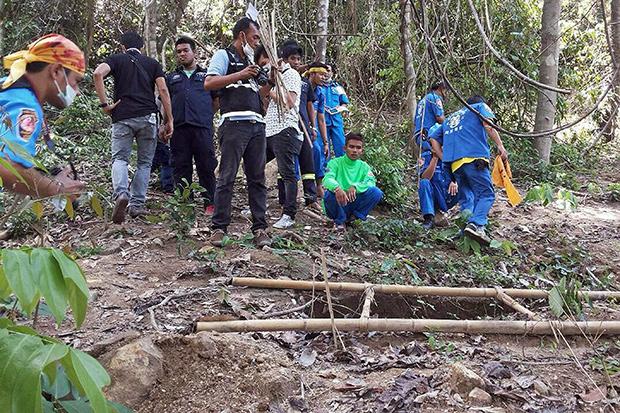
Songkhla Death camp 'held 800 refugees' , bodies exhumed


Two teenagers found in remote jungle near the site of a mass grave in Songkhla province yesterday revealed that at least 800 refugees were being held in the camp prior to its discovery by authorities.

The two youths, aged 14 and 17, said they had been held at the camp for eight months, and that the prisoners had been dispersed shortly before officers moved in on Friday.

It came as early reports began to emerge of the horrific conditions endured by prisoners being held at the remote border camp, where 26 bodies have now been recovered mostly from shallow graves.

“We were the people who could not pay the ransom so they kept us and did not really care whether we lived or died,” 28-year-old survivor Anuzar, who was found at the grave site on Friday, told news website Phuketwan.

“Most of us have been beaten or abused … In the camp, we were never able to get enough food or water. Showering seldom happened.”

Anuzar said he believed 10 Bangladeshis were among the dead scattered near the camp, along with at least 30 Rohingya.

“Eight brokers controlled the camp,” Anuzar said. “I knew three well — Ahmed Ali, Anwar and Sorim-Ida. Some are Rohingya, some are Malaysian.”

Sirichai Leewannapasai, chief of Songkhla’s Public Health Office, said yesterday that Anuzar’s condition is not serious. He suffered from fatigue and a lack of food, and also has a slight fever, but is making a steady recovery.

The camp itself is located in about two rai of thick jungle at the top of a mountain close to the Malaysian border, and commands sweeping views of all possible approaches. Of the 39 structures built at the site, 26 are sleeping quarters, and the rest are kitchens, bathrooms and an observation tower, police said.

The mass grave site was found in a clearing about 50 metres from the main camp, which police believe had been in operation for a “long time”.

“From the evidence given by witnesses who were in the camp, we believe there was violence here and people died from the violence,” Pol Gen Jarumporn Suramanee told Reuters.

It took a team of 100 forensic experts and rescue workers more than four hours yesterday to exhume another 21 bodies from shallow graves in the remote jungle camp.

The rugged terrain meant rescue workers are being forced to carry the bodies down the hill in teams of eight — a steep hike of about an hour — to Songklanagarind Hospital to be identified.

Of the 26 bodies that have now been recovered, 25 have been identified as male and one female, said Pol Gen Jaramporn Suramanee, a forensic science adviser to the Royal Thai Police.

Several of the bodies showed signs of decay indicating they had been dead for at least one month, Pol Gen Jaramporn said.

But one victim, whose body had not been buried, had died as recently as a few days ago.

Pol Gen Jaramporn said forensic experts have collected DNA samples from the bodies, but at this stage they are still unable to confirm their identities or ethnicity.

After autopsies and DNA tests are conducted, the bodies will be buried at Ban Phru in Songkhla’s Hat Yai district, he said.

Police are now expanding their probe to cover a human trafficking network in Nakhon Si Thammarat suspected of being linked to the camp.

Deputy national police chief Ake Angsananont said yesterday police are piecing together information from all concerned agencies.

Search and rescue missions are also being conducted in areas surrounding the camp looking for other potential survivors, Pol Gen Ake said.

Any human traffickers found to have been involved will be “severely punished”, he said, adding that proper funeral rites and burials will be arranged for the bodies.

Government spokesman Maj Gen Sansern Kaewkamnerd said Thailand is determined “to eliminate every type of human trafficking and block Thailand from being a transit point”.

He said those behind the camp will be “severely punished”, regardless of whether they are common criminals or corrupt officials.

His comments came amid strong pressure from international activists. Chris Lewa, director of the Arakan Project, which has monitored the movements of Rohingya for more than a decade, said traffickers are beginning to shift their tactics for holding prisoners.

Instead of jungle camps, she said Rohingya and Bangladeshis have in recent months been taken to large ships while they wait for ransoms to be paid.

Ms Lewa estimates that 7,000-8,000 migrants are currently parked off the coast or in nearby international waters.

Human Rights Watch has called for an independent investigation with UN involvement to find out what took place at the site.

“The discovery of these mass graves should shock the Thai government into shutting down the trafficking networks that enrich officials but prey on extremely vulnerable people,” HRW’s Brad Adams said.

Sunday 3 May 2015

http://www.bangkokpost.com/news/general/549643/death-camp-held-800-refugees

continue reading

Lusitania 100th anniversary service


A memorial service on Thursday will mark the 100th anniversary of an event shocking even by First World War standards - the sinking of the Cunard British liner Lusitania with the loss of 1,200 lives.

Attended by passengers from the present-day Cunard liner Queen Victoria, the service will take place at the Irish port of Cobh (formerly Queenstown) in County Cork.

At 2.10pm on Thursday, Queen Victoria's whistle will blow. It was at that moment on May 7 1915 that the 31,000-tonne Cunard liner Lusitania was torpedoed by German U-Boat, U-20, about 14 miles off the southern Irish coast.

The Queen Victoria whistle will be sounded again at 2.28pm - the time the Lusitania sank.

Among the 1,266 passengers on board were 129 children of whom 94 perished as the ship, sailing from New York to Liverpool, sank in just 18 minutes.

Built at the John Brown shipyard on the River Clyde in Scotland, the Lusitania was also carrying 159 Americans, of whom 128 were killed.

The ship's captain William Turner, who survived after the ship went down, had received messages on the morning of the disaster that there were German submarines in the area and he altered course.

But a German sub, U-20, captained by Walther Schwieger, spotted the Lusitania 14 miles off the Old Head of Kinsale in Ireland and fired a torpedo that hit the vessel which quickly sank.

There had been time to send out an SOS and the Courtmacsherry lifeboat launched at 3pm.

By the time they arrived, other rescue craft were on the scene and they were only able to pick up dead bodies.

The Wanderer, a fishing boat from the Isle of Wight, managed to pick up about 200 survivors.

A formal investigation, headed by Wreck Commissioner Lord Mersey, started in Westminster in June 1915.

The Germans were blamed, and Captain Turner cleared, with the action described as having been undertaken "not merely with the intention of sinking the ship, but also with the intention of destroying the lives of the people on board".

The outrage sparked international fury, with demands that America should immediately come into the war, although it was not until 1917 that the US finally entered the conflict.

One hundred years on, controversy still surrounds the sinking.

"It seems likely that the arguments will rage on for another 100 years," Cunard historian Michael Gallagher said.

"There was controversy over the messages sent to Captain Turner on the morning of the sinking and there were determined attempts to blame him at the inquiry.

"Lord Mersey was so outraged that he refused to accept any fee for his work and asked to be excused from any similar inquiries in the future.

"The Lusitania was carrying arms and it could be argued that it was a legitimate target.

"The British government seized on the sinking for war propaganda purposes with posters appearing saying 'Avenge the Lusitania'."

Sunday 3 May 2015

http://www.bournemouthecho.co.uk/news/national/12928882.Lusitania_100th_anniversary_service/

continue reading

Death toll from Nepal's devastating quake passes 7,000


The death toll from the disaster has hit 7,040, according to the Emergency Operations Centre, with more than 14,000 injured. More than 100 were also killed in India and China.

A Nepali police team in an avalanche hit area in the northern district of Rasuwa pulled out bodies of about 50 people, including some foreign trekkers.

Uddav Prasad Bhattarai, chief officer of Rasuwa district that forms part of Langtang, said the bodies had been found in different places, including buried under debris, in recent days in the region hit by a quake-triggered avalanche.

"We have pulled out 51 bodies from the Langtang area so far, six of them are tourists. We estimate that about 100 foreigners might still be missing in the area," Bhattarai said.

"Our priority was to get the survivors out. We rescued over 350 people, about a half of them were tourists or guides," he told AFP in Rasuwa north of Kathmandu

"We believe we have rescued most of the survivors now. We will now bring down the dead bodies."

Tourism department chief Tulsi Gautam said Sunday that so far the bodies of 54 foreigners have been recovered nationwide.


EU diplomats said on Friday that around 1,000 European citizens were still unaccounted for in Nepal, although many of those were thought to be safe but out of contact.

The Europeans had mostly been climbing in the Everest region or trekking in the remote Langtang range in the Himalayas near the quake epicenter.

One Israeli, Or Asraf, also remains unaccounted for, with his family urging rescuers to increase their efforts.

Although multiple teams of rescuers from more than 20 countries have been using sniffer dogs and heat-seeking equipment to find survivors in the rubble, noone has been pulled out alive since Thursday evening.

"Rescue operations are still under way, but focus has shifted to providing relief," home ministry spokesman Laxmi Prasad Dhakal told AFP on Sunday.

"Many far flung villages have been affected," he said, adding that there was still an "acute shortage" of tents for the hundreds of thousands left homeless.

The manager of Kathmandu's Tribhuvan International Airport said very heavy planes were being barred from landing because of concerns about the condition of the single runway after the quake and a series of strong aftershocks.

"We have issued a notice saying that aircraft with a total weight exceeding 196 tonnes will not be allowed to land at Kathmandu airport," Birendra Prasad Shrestha told AFP.

"There are no visible cracks in the runway but there have been so many tremors recently that we have to take precautions - we don't know what's happening below the surface.

"This runway is the only lifeline for Kathmandu -- if it goes, everything goes."

The exact scale of the disaster was still to emerge, with the mountainous terrain in the vast Himalayan nation complicating the relief effort.

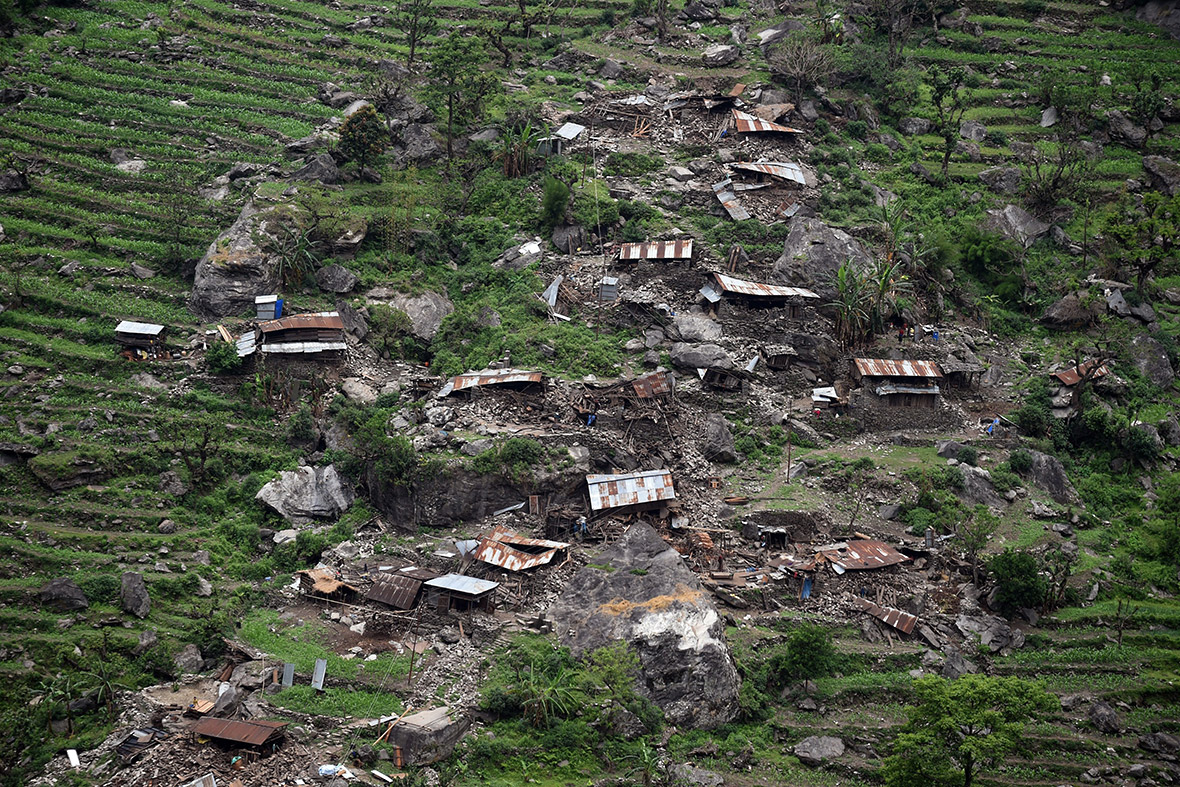
With relief workers still to reach many areas, the Red Cross has warned of "total devastation" in far-flung areas, including in the hardest-hit Sindhupalchowk region, northeast of Kathmandu, where whole villages have been destroyed.

The latest UN's situation report says teams that have arrived in another devastated district, Gorkha, have discovered a "dire need for shelter, particularly tents and blankets".

"Access to some remote villages remains a key challenge as many landing zones are unsafe due to debris, altitude and current weather conditions," the report also says.

"Road access is limited. Some remote villages can only be accessed by helicopters."

Sunday 3 May 2015

http://www.i24news.tv/en/news/international/asia-pacific/69818-150503-death-toll-from-nepal-s-devastating-quake-passes-7-000-official

continue reading

Saturday, 2 May 2015

Final coffins from MH17 crash to be brought home to Netherlands


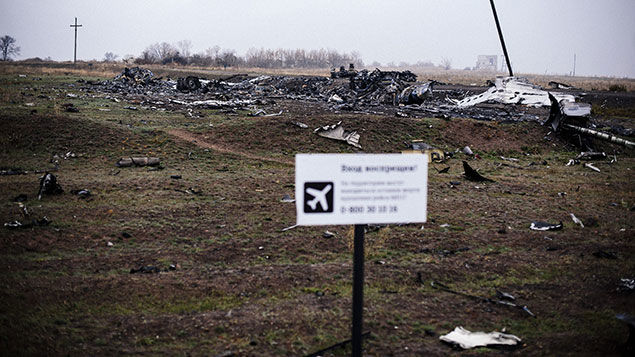
The last seven coffins carrying human remains from the crash site of Malaysia Airlines Flight MH17 will be flown home to the Netherlands today, bringing to an end an on-again off-again search bedevilled by fighting between Ukrainian troops and pro-Russian separatists.

A 30-strong team of Dutch, Malaysian and Australian investigators managed to reach the site in eastern Ukraine a week ago. They have since recovered about 50 cubic metres of wreckage, as well as body parts and a large number of personal belongings, including passports, rings and watches.

“We have done everything that is humanly possible,” said team leader, Pieter-Jaap Aalbersberg, Amsterdam’s police chief. He confirmed that despite snowfalls in the area, they managed to search parts of the site that had previously been too dangerous to reach.

Two unidentified

Mr Aalbersberg said he was “very hopeful” that the body parts would allow forensic experts at a military base in Hilversum to name the final two of the 298 passengers and crew who remain to be identified 10 months after the Boeing 777 was apparently shot down by a Russian-made missile.

By a process of elimination, it is known that those two final victims were Dutch. However, their families still await news of formal identification, which it’s anticipated may now be possible as a result of DNA matches.

The search for remains now officially over, the last seven coffins are due to be flown home to Eindhoven airport on board a C-130 Hercules of the Royal Netherlands Air Force via the “air bridge” to Kharkiv, in the northeast of Ukraine.

When the plane touches down, Operation Bring Them Home – launched in the hours immediately after Flight MH17 disappeared en route from Amsterdam to Kuala Lumpur on July 17 last year, with the country still in deep shock – will come to its poignant conclusion.

The remains will be greeted on the tarmac at Eindhoven by relatives and friends, as well as by representatives of the government and of the Dutch royal family, and will be given full military honours.

After the Last Post is sounded, they will be transferred in a slow procession, accompanied by police motorcycle outriders, to Hilversum, where the ID work is still going on. Thousands of people are expected to turn out to pay their respects.

Because the wreckage could be crucial to any possible criminal proceedings, it will join previous consignments in a sealed aircraft hangar. There it will be unloaded, photographed, scanned and categorised, before the examination begins.

As much of the jet as possible is being pieced together on a specially constructed frame, although much of the fuselage was badly damaged by fire.

Saturday 2 May 2015

http://www.irishtimes.com/news/world/europe/final-coffins-from-mh17-crash-to-be-brought-home-to-netherlands-1.2197390

continue reading

You don't actually need to bury the dead immediately after a natural disaster


It's a persistent myth that the bodies of the dead after a natural disaster are a big health risk. Sadly, most of the people who die in disasters such as earthquakes or floods are healthy. That means their bodies aren't likely to hold disease that can spread to survivors. (The situation is different for disasters such as the Ebola outbreak in West Africa, during which dead bodies were a major transmitter of illness.)

Public health organizations have been trying for the last decade to get the message across that it's OK to leave bodies unburied after natural disasters, to give people time to identify their deceased loved ones, but as recently as 2013, officials in the Philippines buried people in mass graves following a typhoon there. There are many better ways to prevent disease outbreaks after natural disasters.

In fact, it may actually be better for public health to go about burials more slowly, as natural-disaster consultant Claude de Ville de Goyet argued in an op-ed published in the Pan American Journal of Public Health in 2004:

The inability to mourn a close relative, the lingering doubt on the whereabouts of the disappeared, and the legal limbo of the surviving spouse or child all contribute to the many potential mental health problems associated with disasters and the difficult rehabilitation process that follows.

Mental health is just as crucial as any other aspect of health following disasters. Giving survivors time to identify, mourn, and bury disaster victims in the same way that they would have, had their loved ones died in any other way, is an important part of the healing process.

Saturday 2 May 2015

http://www.psmag.com/health-and-behavior/give-people-time-to-mourn

continue reading

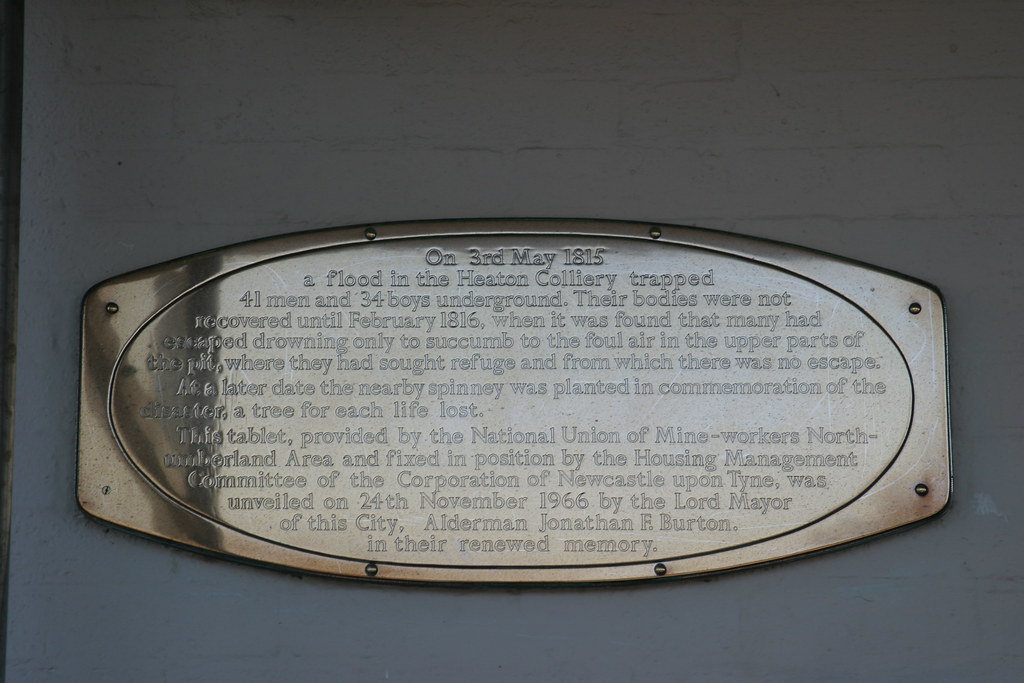
Heaton mining disaster's 200th anniversary marked this weekend


A community will come together this weekend to mark the exact day 200 years ago when a Tyneside colliery was struck by disaster.

On May 3, 1815, where St Teresa’s Church now stands on Heaton Road, 110 men and boys were working underground on the early shift.

The Heaton Main Colliery miners hit the old workings of an 18th Century pit, from which water gushed in “with the roar of thunder.”

The inrush trapped 75 workers. Despite valiant attempts, rescuers were unable to reach them.

It was not until January 6, 1816, that the first body was discovered – more than eight months after the tragedy. Another five weeks passed before another 55 victims were found in one spot.

On Sunday, St Teresa’s Church will be the venue for a service of remembrance from 6pm, which will also feature a new song about the disaster by folk legend Jonny Handle, music by the Backworth Colliery Band, Heaton Voices choir, dancing by the children of St. Teresa’s School and other guests.

On Saturday, there will also be events and family activities from 2pm - 4.30pm at The Spinney in High Heaton, which was previously thought to have marked the location of the disaster and where two plaques commemorate the catastrophe.

Also on Saturday at 7.30pm St Teresa’s church hall will stage an evening of mining songs with Heaton Voices and the Appletwig Songbook group. Tickets are £5.

“The events will be an opportunity for people to remember the loss of life but also to mark the fact that Heaton was internationally significant in the development of mining in the 18th and 19th Centuries,” said Heaton History Group secretary Chris Jackson. “There is sadness over the disaster but also pride in Heaton’s mining past.”

The group has won backing from the Heritage Lottery Fund to research the areas’s mining history and place a series of plaques at significant locations.

After the disaster, the North East’s leading mining engineer, John Buddle, wrote that the pitmen “had evidently survived the accident for some time as they had killed a horse and cut the flesh out of his hams,” although little had been eaten.

The final bodies were not located until March 6, 1816. Most of the victims were buried in a corner of St Peter’s churchyard in Wallsend.

Retired history teacher and Heaton-born and bred resident Les Turnbull, has researched the disaster for his book published earlier this year called A Celebration of Our Mining Heritage, published by Chapman Research at £15 in conjunction with the North of England Institute of Mining and Mechanical Engineers and the Heaton History Group.

He said: “The disaster of 1815 must be remembered but it would be a travesty if this single event should be allowed to take precedence over a century of achievement.

“By remembering the achievements of the industry we establish the most appropriate memorial to those who lost their lives in winning coal.”

Les tells how the relatives of the victims were asked to descend into the mine to identify family members as decay was so advanced that moving the bodies to the surface would have destroyed the evidence.

Elizabeth Thew’s youngest son John had survived, but she had to look for her husband, her eldest son George and her middle son William.

She identified William by his auburn hair. In one of his pockets was found his tin candle box on which he had written: “Fret not, dear mother, for we are singing while we had time and praising God. Mother follow God more than I ever did.”

On the other side, her husband had written: “If John is saved, be a good lad to God and thy mother.”

Saturday 2 May 2015

http://www.chroniclelive.co.uk/news/north-east-news/heaton-mining-disasters-200th-anniversary-9162971

continue reading

Friday, 1 May 2015

Volunteers burn Nepal’s unclaimed bodies as death toll rises


Morgues have no space for newly-arrived bodies in Kathmandu.
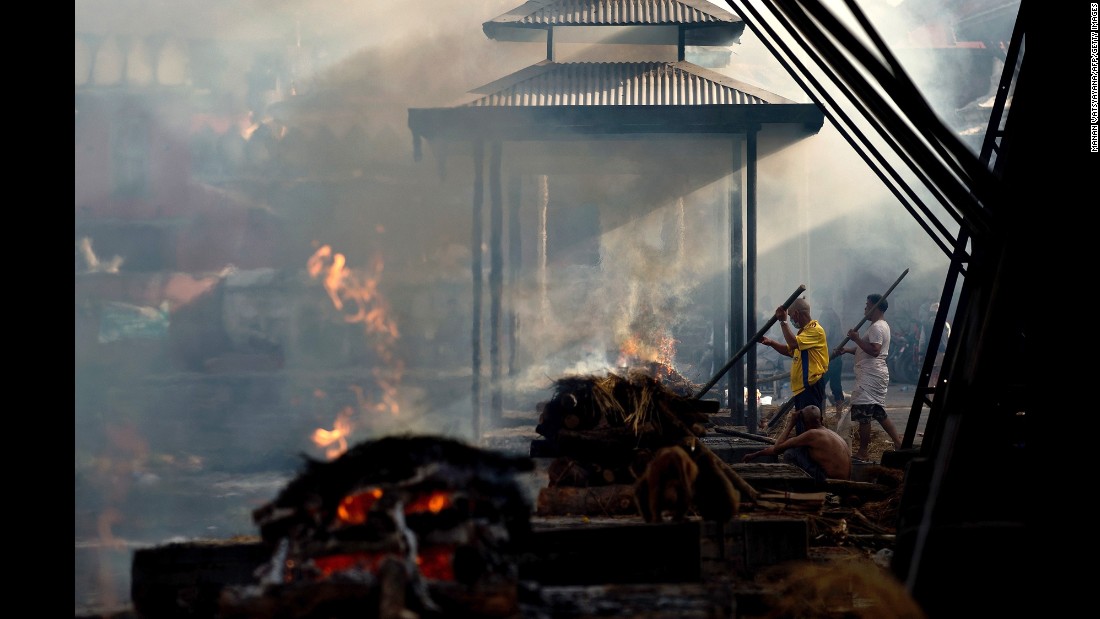
The crematory pyres outside the revered Pashupatinath Temple in Kathmandu spew grey-white smoke into the bright sun of Friday afternoon. Below, local women wade into the shallows of the revered Bagwati, splashing water on their arms to wash and cool down. At the water’s edge, families gather to bid goodbye to their loved ones. But six days after a 7.8 magnitude earthquake rattled this landlocked nation, officials are struggling to figure out where to store their unclaimed dead.

“We just do not have enough space in the refrigerators” says Bishnu Joshi, an officer with the municipal government in Kathmandu. Wearing a black athletic jacket and matching face mask, Joshi directs the large flatbed trucks lined with the dead, swarmed by flies. After entering the temple compound, the trucks must drive down a crude, mud-worn slope and into the Bhagwati River, through the shallows, and onto the grassy shoal at the river’s center. There, team of volunteers, wearing plain clothes, latex gloves, and medical masks, climb into the flatbed, lifting, dragging or pushing the bodies, wooden with rigor mortis, onto waiting stretchers for deposit atop hastily arranged funeral pyres.

Unlike the formal cremation ceremony, familiar to the thousands of visitors who pass through Pashupatinath each year, there was no pomp or circumstance to this afternoon’s procedure. The unclothed and uncovered bodies are simply tipped off the stretcher, two bodies to each pile, and set alight by the young volunteers as a small but vocal crowd looked on.

These bodies are the unclaimed dead housed at Tribhuvan University Teaching Hospital in Kathmandu. As the death toll has passed 5,500, the university is running out of areas to store the bodies.

Volunteers help move the bodies. “I just wanted to help this week,” said Ramos Tamang, an 18-year-old college student who studies management. As droplets of sweat dripped from his forehead to the edge of his medical mask, the smell of decomposed matter wafted up from his latex gloves. Tamang describes the job as a “horror”, but it is one he’s committed to. His uncle and grandfather were killed last weekend when the family home, in the town of Nuwakot, collapsed. With his friend, Suhesh Kattel, 17, Ramos has joined one of many groups distributing aid and providing assistance in the aftermath of the disaster.

Kattel was similarly moved after visiting his friend’s father, who had his hand amputated due to injuries sustained during the earthquake. “My family wasn’t a victim of this earthquake,” Kattel told TIME, looking beyond the river to the opposite bank where families wait for their loved one’s turn on the cremation pyre. “I feel so sorry for all these families.”

Down on the shoal, young men like Kattel and Tamang are joined by 13 volunteers from the Khawalung Monastery. The monastery’s students, like Tashi,19, have supplied all volunteers with latex gloves as protection while moving the bodies. The students, dressed in sleeveless red robes and bright yellow vests, have matching yellow baseball caps.

“I am pretty scared of the dead bodies,” says Tashi, his arms, legs and face still wet after washing up after the day. They had disposed of 20 bodies in just over 30 minutes, but through the hottest time of the day. Asked why he had decided to volunteer, particularly given his apprehension, he said he was eager to find some way he could help.

Officials expect the death toll to climb to 6,000 as rescue and relief teams move through the countryside. According to an official in the forensic unit at Tribhuvan University Teaching Hospital contacted Friday evening, there are 33 unclaimed bodies in the morgue, 26 have yet to be identified, and the hospital is adding an average of 10 bodies to the morgue each day.

Friday 1 May 2015

http://time.com/3843202/nepal-cremation-bodies/

continue reading

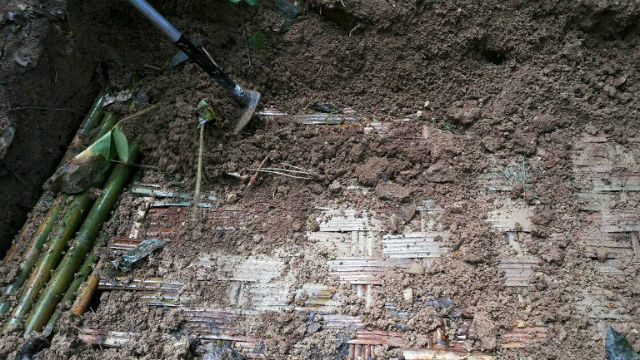
Mass graves unearthed at human-trafficker camp in Songkhla


More than 30 bodies were discovered Friday in shallow graves at a human-trafficking camp near the Malaysian border with the national police chief saying 20 more could be found.

Pol Gen Somyot Pumpunmuang said he had received reports from Songkhla provincial police and soldiers of 50 graves at the remote camp located in a mountainous jungle section of tambon Padang Besar in Songkhla's Sadao district.

The dead are suspected to be Rohingya Muslim refugees from Myanmar and Bangladesh who starved to death or died of disease while awaiting payment of ransoms to be smuggled into Malaysia by a trafficking gang comprising Thai, Myanmar and Malaysian nationals.

Some of the bodies were buried, while others were covered with clothing and blankets at a shelter in the mountains of southern Songkla province, Pol Col Weerasant Tharnpiem told The Associated Press.

"There are 32 graves, four bodies have now been exhumed and are on their way... to hospital to for an autopsy," Sathit Thamsuwan a rescue worker, who was at the scene soon after the site was found, told assembled media around 3.30pm.

Reuters reported that two more bodies were left to rot out in the open above ground.

By late afternoon, the exhumations had stopped pending the arrival of forensic teams.

"The bodies were all decayed," he said, adding a single man from Bangladesh survived and is being treated at a hospital in nearby Padang Besar, Malaysia. The hospital confirmed the extremely emaciated Bangladeshi man had survived and was in stable condition.

Pol Gen Somyot said the smugglers were believed to have abandoned the sick man when they moved Rohingya migrants across the border into Malaysia two days ago.

Officials were alerted to the graves by a local man who stumbled upon them while foraging for mushrooms. Mr Sathit, of the Maikom Sadan municipal rescue service, told the Phuketwan website that authorities had to trek 50 minutes up a hill to reach them.

The corpses have to be carried out, as vehicles cannot reach the grave sites.

Reports quoted investigators as saying that the camp held 200-300 Rohingya migrants. Pol Gen Somyot, however, described the site as a virtual "prison camp" where migrants were held in makeshift bamboo cells.

"There are 32 places that look like graves and whether there is one body or several bodies in those graves, we will we have to wait and see," he was quoted as saying by AFP.

Pol Gen Aek Angsananont, the deputy national police chief, said the camp, covering about one rai of land, had a bedroom and a canteen. It is only 300 metres from the northern Malaysian state of Perlis. The camp is very close to the border and authorities are trying to determine if it resides on Thai or Malaysian soil.

"This location helps traffickers transport the migrants at any time and it is difficult for officers to arrest them," he said.

Traffickers usually set up camps in random locations to avoid authorities, then leave behind any sick or dead when threatened with detection.

Authorities said they suspect there could be around 50 bodies buried at the camp.

The discovery, the first of its kind in Thailand, highlights the brutal nature of the trafficking trade in which hundreds are believed to have died in camps or at sea, Reuters reported.

Every year, thousands of Rohingya and Bangladeshi boat people arrive in Thailand, brought by smugglers. Many are taken by road to camps in the jungle, where traffickers demand a ransom to smuggle them south across the border to Malaysia.

Last year, Thailand was downgraded to the lowest tier on the US State Department's influential Trafficking in Persons report, which annually ranks countries by their anti-trafficking effort.

Friday 1 May 2015

http://www.bangkokpost.com/news/general/548439/33-bodies-unearthed-at-human-trafficker-camp-in-songkhla

continue reading

Thousands still missing after Nepal quake


Thousands of people were still missing in Nepal on Friday as food and help began to trickle through to those stranded in remote areas after last week's earthquake which killed 6,250.

Up to 1,000 Europeans are still unaccounted for, mostly around popular trekking routes, the head of the European Union (EU) delegation in Nepal said.

"We don't know where they are, or they could be," Ambassador Rensje Teerink told reporters. Officials said it was hard to trace the missing because many backpackers do not register with their embassies.

"It does not mean that they are buried. They could have left the country without telling anyone before the earthquake struck," Teerink said Reuters.

Nepal's home ministry said it had not been informed that the number of EU citizens missing after Saturday's earthquake could be as high as 1,000.

"If that is the case then why are the embassies not informing us? Why have they not contacted the Nepal government?" home ministry spokesman Laxmi Prasad Dhakal told Reuters.

The number of people unaccounted for from France, Italy, Spain and the Netherlands is 371 according to checks Reuters made with their governments, while all Irish citizens, Croatians and Romanians have been traced. Other European nations are yet to provide an updated figure on how many of their citizens are unaccounted for.

Bodies are still being pulled from the debris of ruined buildings, while rescue workers have not been able to reach some remote areas.

The government put the number of injured at more than 14,350.

In the capital Kathmandu, many unclaimed bodies were being quickly cremated because of the need to avert disease and reduce the stench of corpses in areas where buildings had collapsed.

Many of the dead could be migrant workers from neighboring India, local officials said.

"Morgues are full beyond capacity and we have been given instructions to incinerate bodies immediately after they are pulled out," said Raman Lal, an Indian paramilitary force official working in coordination with Nepali forces.

Aid was slowly reaching remote towns and villages nestled in the Himalayan mountains and foothills of the impoverished nation. But government officials said efforts to step up the pace of delivery were frustrated by a shortage of supply trucks and drivers, many of whom had returned to their villages to help their families.

"Our granaries are full and we have ample food stock, but we are not able to transport supplies at a faster pace," said Shrimani Raj Khanal, a manager at the Nepal Food Corp.

Army helicopters have air-dropped instant noodles and biscuits to remote communities but people need rice and other ingredients to cook a proper meal, he said.

Many Nepalis have been sleeping in the open since the 7.8 magnitude quake, with survivors afraid to return to their homes because of powerful aftershocks. According to the United Nations, 600,000 houses have been destroyed or damaged.

Information Minister Minendra Rijal said the government would provide $1,000 in immediate assistance to the families of those killed, as well as $400 for cremation or burial.

The U.N. said 8 million of Nepal's 28 million people were affected, with at least 2 million needing tents, water, food and medicines over the next three months.

UNPRECEDENTED DAMAGE

Finance Minister Ram Sharan Mahat said Nepal would need at least $2 billion to rebuild homes, hospitals, government offices and historic buildings and appealed for international backing.

"This is just an initial estimate and it will take time to assess the extent of damage and calculate the cost of rebuilding," Mahat told Reuters.

Prime Minister Sushil Koirala told Reuters earlier this week the death toll from the quake could reach 10,000.

That would surpass the 8,500 who died in a 1934 earthquake, the last disaster on this scale to hit the nation sandwiched between India and China.

Home ministry spokesman Dhakal said that though the 1934 quake was more powerful, fewer people lived in the Kathmandu valley then.

"The scale of reconstruction will be unprecedented," Dhakal said.

While international aid has poured in, some Nepalis have accused the government of being too slow to distribute it.

"There have been cases where villages have pelted stones on trucks carrying aid and food supplies. They must have been really hungry and angry to do so," said Purna Shanker, who works at the government's commodity trading office.

In Sundarkhula, a village close to the quake's epicenter west of Kathmandu, villagers said they were searching their destroyed homes for food.

Bharat Regmi, 28, said he jumped out of the first floor as the quake lifted his house from its foundations. When he went back a few days later, he and two of his friends found a bag of potatoes in the rubble.

"We are living on water and whatever we can dig out from the house," he said, standing under steady rain near the highway to Kathmandu. Later, he crept back under a thin orange sheet, shared with about a dozen other villagers.

Tensions have also flared between foreigners and Nepalis desperate to be evacuated.

In the Himalayas, climbing is set to reopen on Mount Everest next week after damage caused by avalanches is repaired, although many have abandoned their ascents.

An avalanche killed 18 climbers and sherpa mountain guides at the Everest base camp.

Friday 1 May 2015

http://www.reuters.com/article/2015/05/01/us-quake-nepal-collapse-idUSKBN0NI12120150501

continue reading

Kenya: Search on for at least nine nissing Narok floods victims


The search for nine missing bodies swept by flash floods in Narok on Thursday is still ongoing.

Kenya Red Cross, National Disaster Management, the National Youth Service and members of the public are involved in the search.

KRC Narok Coordinator Ali Juma said visibility and the water levels of the river have hampered rescue efforts, but assured they would continue with the search until all are accounted for.

Juma said the bodies could have been washed hundreds of kilometres downstream, in the incident that occurred on Thursday evening.

He appealed to the residents to be cautious and not underestimate the depth of flood water.

At least 15 bodies were recovered from floods in a town west of Nairobi and dozens more were still missing, local media reports said. “It’s difficult to say what the true extent of the damage is, given there is a lot of debris to sort through,” Michael Aiyabei of a Kenya Red Cross team told Capital FM News in Narok.

The death toll is expected to rise as torrential rain continued to pound Narok and rescuers pulled more bodies from the waters. “Forecasts suggest that weather conditions will continue to be very unsettled and will remain so throughout the week, with potentially intense rain falling on already saturated ground from tonight,” the Narok County government said in a statement Tuesday. “Further heavy rainfall is likely to increase river levels, leading to flowing of low-lying land and roads, as well as increasing the risk of groundwater flooding.”

Heavy rains in Kenya this month have submerged towns and villages this week, forcing around 1,500 people to leave their homes in Kisumu and Homa Bay counties. Swollen rivers have swept up houses, cars, crops and farm animals. The massive downpour -- coupled with poor drainage and irrigation -- has caused rising water levels in the area, local media said.

“I have lost at least 10 cows because of the floods. We do not have food to eat, we have been left with nothing,” David Owinyo, a father of eight from Kisumu, told the Daily Nation in Kenya on Monday.

Kisumu Gov. Jack Ranguma said he has asked the national government for help draining the overflown rivers, a project that the county government cannot fund alone. “Unfortunately, the budgets for that was left with the national government,” he told Capital FM News on Tuesday.

The Nairobi County government has appointed a task force to oversee the improvement of drainage within the capital after heavy downpour wrecked roadways and marooned pedestrians and vehicles Sunday, the Star newspaper in Nairobi reported.

Dozens of people die each year during Kenya's rainy season, which usually lasts from March until May. In 2013, tens of thousands of people were affected by flash floods and landslides in Kenya. In addition to claiming lives and damaging homes, the floods contaminated water sources and put already vulnerable communities at higher risk of water-borne illnesses such as diarrheal disease and cholera.

Friday 1 May 2015

http://allafrica.com/stories/201505011016.html

http://www.ibtimes.com/kenya-floods-scores-feared-dead-torrential-rain-turns-roads-rivers-1901462

continue reading

MH17 disaster: Search for remains and wreckage ends


Investigators say they have finished recovering human remains and wreckage from the site of the MH17 plane crash in eastern Ukraine.

A final flight carrying seven coffins will arrive in the Netherlands on Saturday.

Personal belongings such as watches, rings, and passports have also been found.

The Malaysia Airlines passenger plane was shot down in July 2014, with the loss of all 298 people on board. Pieter-Jaap Aalbersberg, head of the Dutch-led mission, said the team had done "everything humanly possible" in the recovery process on Wednesday.

He said many more body parts had been discovered, and the team was hopeful the finds would allow the final two victims to be identified.


DNA tests will be carried out on the remains when they have been returned to the Netherlands. Investigators have not ruled out finding more remains or wreckage in the future.

'Burn sites'

The plane had been flying from Amsterdam to Kuala Lumpur on 17 July when it went down over rebel-held territory in eastern Ukraine.

The Dutch Safety Board's final report is expected to be ready around October.

A preliminary Dutch report said the plane broke up after being penetrated by "high-velocity objects".

Forensics scientists have been working at two so-called "burn sites" - where there were large explosions when the plane came down - as well as another area of ground, reports the BBC's Tom Burridge in Donetsk.


The wreckage of the plane was spread over an area of approximately 70 sq km (27 sq miles).

The mission says its work was delayed by the continuing conflict and because the ground was frozen during the winter. However, because of gains made by the rebels in recent months, the fighting in eastern Ukraine has moved further away from the crash site, our correspondent adds.

Dutch Foreign Minister Bert Koenders is due to fly to the Ukrainian city of Kharkiv on Friday.

A team of 20 Dutch and four Malaysian military police have been searching for more human remains, and any personal belongings of the 298 people who died.

Personal belongings of the passengers, including watches, rings, driving licences and passports, have been found during the latest search.

Other possessions, that were collected from the crash site by local residents last year, have also been given to the Dutch mission, so they can be passed on to the relatives of the victims.


Friday 1 May 2015

http://www.bbc.co.uk/news/world-europe-32534501

continue reading

Thursday, 30 April 2015

Rain hampers Nepal rescue efforts


Rescue teams toiled in pouring rain on Thursday in the debris left by last week’s devastating earthquake in Nepal, but officials said the chances of finding any more survivors was bleak as the death toll neared 5,500.

While rescue teams were out in the capital Kathmandu despite the rain, helicopters could not fly to the worst-hit areas in the countryside of the impoverished Himalayan nation.

“There may not be any more survivors,” said Rameshwor Dandal, chief of the disaster management centre at Nepal’s Home Ministry. “The rain is adding to the problems. Nature seems to be against us.”

Anger over the slow pace of the rescue flared on Wednesday with protests outside parliament. In the interior, villagers blocked trucks carrying supplies, demanding the government do more to hasten the distribution of aid that has flooded into the country but has been slow to reach those in need.

An official from the Home Ministry said the number of confirmed deaths from Saturday’s earthquake had risen to 5,489 by Thursday morning. Almost 11,000 were injured, and more than 80 were also killed in neighbouring India and Tibet.

Many people have been sleeping in the open after the quake — the United Nations has said 600,000 houses were destroyed or damaged. It has said eight million people have been affected, with at least two million in need of tents, water, food and medicines over the next three months.

Mr. Dandal said foreign rescue teams had told him that their work is almost done because there is little chance of finding any survivors.

A Nepali-French rescue team pulled a 28-year-old man, Rishi Khanal, from a collapsed apartment block in Kathmandu on Tuesday after he had spent around 80 hours trapped in a room with three dead bodies.

However, doctors amputated one of his legs on Wednesday because of damage from prolonged internal bleeding.

Nepal is appealing to foreign governments for more helicopters. There are currently about 20 Nepali Army, private and Indian Army helicopters involved in rescue operations, according to Laxmi Prasad Dhakal, a Home Ministry official. China is expected to send helicopters on Thursday, he said.

Prime Minister Sushil Koirala has told Reuters the death toll could reach 10,000, with information on casualties and damage from far-flung villages and towns yet to come in.

That would surpass the 8,500 who died in a 1934 earthquake, the last disaster on this scale to hit the nation of 28 million people sandwiched between India and China.

Worry of disease

In Kathmandu and other cities, hospitals quickly overflowed with injured soon after the quake, with many being treated out in the open or not at all.

Guna Raj, who works for a Kathmandu-based NGO specialising in providing sanitation, said there have been outbreaks of diarrhoea in relief camps because of a shortage of toilets and clean water.

“In the next few days or weeks I am sure there will be an outbreak of epidemics,” said Mr. Raj, who is involved in the relief effort. Tensions between foreigners and Nepalis desperate for relief surfaced, rescuers said, as fresh avalanches were reported in several areas.

Members of Israeli search-and-rescue group Magnus said hundreds of tourists, including about 100 Israelis, were airlifted out of Langtang in Rasuwa district, a popular trekking area north of Kathmandu hit by an avalanche on Tuesday. But at least two foreigners, whose nationalities were as yet unknown, were found dead, the Home Ministry said.

Fights had broken out there because of food shortages, Magnus team member Amit Rubin said. One of the trekkers said there had also been scuffles over places on the rescue helicopters.

The quake also triggered an avalanche on Mount Everest that killed at least 18 climbers and guides, including four foreigners, the worst disaster on the world’s highest peak.

Thursday 30 April 2015

http://www.thehindu.com/news/international/rain-hampers-nepal-rescue-efforts/article7157594.ece

continue reading

Wednesday, 29 April 2015

Mozambique plane crash victims buried


The unidentified remains of those killed when a Mozambican plane crashed in northern Namibia in November 2013, were buried at the Gammams Cemetery in Pionierspark yesterday morning.

The aircraft crashed in the Bwabwata National Park in the Zambezi region in November 2013, while flying from Maputo to Luanda in Angola. There were 27 passengers and 6 crew members on board when the plane crashed, killing all on board.

The event was attended by officials of the Mozambican LAM airline and the managing director of Avbob Namibia, the funeral parlour that carried out the burials.

A Muslim cleric and a Christian pastor conducted services before the six coffins containing the remains of the deceased were lowered into three graves.

Mozambican airline officials yesterday refused to comment on the burials.

On board the plane were 10 Mozambicans, nine Angolans, five Portuguese citizens, a Portuguese-Brazilian citizen, a French citizen and a Chinese citizen. Early last year, the National Forensic Science Institute (NFSI) said there were more than 600 body parts and that they had positively identified 16 passengers.

The institute also said although some families were against the repatriation of the bodies at first, they changed their minds later.

Wednesday 29 April 2015

http://www.namibian.com.na/indexx.php?id=26113&page_type=story_detail

continue reading

How amateur mappers are helping recovery efforts in Nepal


In the waning days of April 2014, two months after Malaysia Airlines Flight 370 disappeared somewhere near the South China Sea, 60-year-old American pilot Michael Hoebel reported that he had found it. Unlike many searchers, Hoebel was not employed by a government, or an airline; he claimed he had discovered the wreckage of the passenger jet from the comfort of his home computer. He was not alone: About 8 million other people logged onto the global-imaging crowdsource website Tomnod during the initial, frenzied search for Flight 370.

It was not the site's first crowdsourcing campaign, but it was by far its most popular. Tomnod, a project of the geospatial content company DigitalGlobe, provided armchair plane-hunters like Hoebel with constantly updated satellite images of the rapidly growing search area and the tools to digitally “tag” mysterious shapes in the sea. More essentially, it gave people the world over a way to feel like they were really helping to find the plane. They didn't, really: Hoebel’s “plane," off the coast of Thailand, wasn't a plane at all. Flight 370 is still missing, over a year after it fell off of radar.

But the amateur satellite-image-perusers are still at it, and Kevin Bullock, director of product management at DigitalGlobe, says this current Tomnod campaign may be more important. Last Saturday night, a 7.8 magnitude earthquake hit near Kathmandu, the capital and largest city in Nepal. By Sunday morning, DigitalGlobe's satellite had captured images of the destruction in the city and its surrounding villages and had uploaded them online—nearly 5,700 square miles in all.


Since then, over 16,500 volunteers have used the Tomnod platform to compare the new satellite images with the old, placing 74,000 tags on major destruction areas, damaged roads, and ravaged homes. Their crowdsourced data is plugged into an algorithm that identifies frequent tag agreements to discover which areas are in need of the most help. That information is then made available to relief groups, who can use the images to target survivors in need of food, water, tents, and medical supplies.

“What’s interesting to me is that that Malaysian Flight 370 grabbed the world’s headlines, but it’s a needle in a haystack situation. We haven't found the plane,” Bullock said in a phone interview. “There’s a stark difference with Kathmandu. …Here we are actually helping to save lives. We can really show [where help is needed] with coordinates.”

The Tomnod community—DigitalGlobal says about 1 million people are registered users of the site—hasn't quite taken to the challenge of mapping post-earthquake Nepal like it did to the mystery of the plane. (The Nepal campaign has seen just 0.2 percent of the total volunteers of the Flight 370 campaign, though it's still too early for a final engagement tally.) Still, amateur mappers have congregated around the campaign's social media sites to share tips and tricks.

As with much amateur online work, parts of the Tomnod campaign feel frustratingly ineffectual—a little bit like a way for people with all the privileges of internet access to feel good about doing little. As CityLab pointed out Monday, professional mappers are already volunteering to map Nepal’s devastated areas through the open-source mapping platform OpenStreetMap, where their more sophisticated skill sets give them a better chance to help humanitarians on the ground, and more quickly. (While Tomnod's data helps groups pinpoint problem areas, Bullock explains, the OSM data will actually allow them to navigate Nepal's altered topography to get there.)

But Tomnod’s strength is simplicity. While OSM’s more advanced software is less accessible to the lay Internet user, the crowdsourced campaign can be used by anyone. “I have a 9-year-old daughter, and she can do this,” Bullock says. “Anyone can do this. …. You can pull out your phone and just spend five minutes contributing to the cause.”

There's another benefit. Over 4,600 bodies have been pulled from the rubble in Nepal, and that number will certainly rise. But statistics and photos of disaster in faraway lands are a dime a dozen, and empathy doesn't come cheap. In other words: Getting those in wealthy countries to donate is not an easy task. But there's something devastatingly unique and striking about Tomnod's grainy pictures of destruction from above. You'll toggle through before and after pictures to find that a road or a cluster of homes is just gone.

Wednesday 29 April 2015

http://www.citylab.com/tech/2015/04/how-amateur-mappers-are-helping-recovery-efforts-in-nepal/391703/

continue reading

Nepal earthquake: DNA test to identify Assam victims


The Assam government will conduct DNA tests to identify the bodies of its residents who died in the Nepal earthquake.

Assam home commissioner L.S. Changsan today said seven persons from Assam -all from Guwahati - were feared dead. Six bodies have been identified by family members so far. The seventh body, suspected to be that of Padma Majumdar of Hengerabari here, could not be identified as her family members said it was not hers.

Padma was one of a group of eight from Hengerabari who went to Kathmandu on pilgrimage and was caught in Saturday's disaster. Five of the group are feared dead. Four bodies were identified by a group of relatives who reached Kathmandu yesterday. Padma is feared to be the fifth person killed from the area.

Kalpana Adhikari from Bhangagarh area and Hema Saikia from Narikal Basti area of the city were also killed.

Changsan said DNA tests would be conducted on all the bodies to be doubly sure about their identity. "We have collected DNA samples from the family members of the victims and it will be matched with those of the bodies," she added.

The official said there was delay in bringing the bodies to the state because of problems in flight movement in Kathmandu and inclement weather.

"The Kathmandu airport with its limited capacity is incapable of catering to an emergency situation like this. Aircraft have to keep hovering in the sky for an hour or two before they can land. We are expecting the bodies to reach Delhi tonight," she said.

Officials in the ministry of external affairs said the bodies would be brought from Kathmandu only in Indian Air Force aircraft. Around five IAF aircraft have been pressed into service at Kathmandu.

"Flight communication was affected today because of inclement weather. Yesterday, flight service was affected by a riot-like situation when more than 5,000 Indian nationals tried to enter the airport. Police had to be called in to control the situation," Changsan said.

A survivor who reached Guwahati today said there was a 3km-long queue by Indian nationals at Tribhuvan International Airport in Kathmandu. She said she could come only because of help offered by an airport official in catching a flight without having to wait in queue.

"Buses from Assam have reached Nepal today and we hope it would reduce the burden on flights and chances of further such situation," she said.

Changsan said a police team, led by inspector-general S.N. Singh, would leave for Kathmandu tonight and try to bring back people from Assam stranded there by road.

She said additional director-general of Assam police Umesh Kumar who tried to board a flight from Delhi to Kathmandu yesterday could not do so and reached Nepal capital this morning.

Changsan said of the 141 people from Assam reportedly missing in Nepal, 92 have so far either reached Delhi or Guwahati - five of them reached here today - while 13 have been traced and found to be safe. "Seven injured are in hospitals in Kathmandu and our efforts are on to trace the remaining 22," she added.

The relatives of a family of five from Noonmati here, who have been doing business in Kathmandu for the past 15 years, said they had talked to them on Friday, a day before the earthquake. "But after the quake their mobile number is not working," a relative said.

The external affairs ministry could not give specific data on how many people from the Northeast were stranded in Nepal.

Mockdrill

A district-level joint mock drill on earthquake was conducted at the Assam Secretariat in Guwahati today. A mock evacuation exercise was conducted in Block D and E to generate awareness among people in case of disaster.

A task force, comprising the National Disaster Response Force (NDRF), State Disaster Response Force, fire & emergency services and civil defence, operated under the supervision of the Assam State Disaster Management Authority for planning and co-ordination of the exercise. NDRF rescuers displayed extrication methods like rope rescue, highrise rescue and victim stabilisation.

Wednesday 29 April 2015

http://www.telegraphindia.com/1150429/jsp/frontpage/story_17304.jsp

continue reading

Commemorating the Quintinshill rail disaster


Dumfries and Galloway will commemorate the centenary of the Quintinshill rail disaster on 22 May 2015.

The Quintinshill rail disaster on 22 May 1915 claimed 227 lives, including 216 servicemen of The Royal Scots as they headed for Gallipoli. Another 246 people were injured. The train crash, near Gretna, remains the UK’s worst rail disaster.

A troop train that had departed from Larbert station crashed into a local service at a junction near Gretna. An express train bound for Glasgow ploughed into the wreckage just moments later.

Many of those who died in the tragedy were servicemen with the Leith-based Royal Scots, who were travelling to Liverpool before they sailed to Gallipoli.

The events at Gretna on 22 May will be followed by a commemoration in Leith the next day.

They will be included in the national World War One centenary commemoration programme.

The programme of events includes a march to Quintinshill rail siding; the opening of a Roll of Honour at Gretna Old Church; a commemorative tree planting at Gretna Green war memorial; the premiere reading of Quintinshill poem at Stormont village hall; and a wreath laying at Quintinshill Bridge. HRH The Princess Royal will visit the region to participate in the commemorations.

Council Leader Ronnie Nicholson said, “As we commemorate the events in World War 1, it’s important that we take time to respectfully mark the centenary of this momentous event, which took place in our region. Our Council is working with local communities and a range of appropriate organisations to deliver a fitting tribute.”

Wednesday 29 April 2015

http://www.bbc.co.uk/news/uk-scotland-south-scotland-31364439

http://www.falkirkherald.co.uk/news/local-news/falkirk-men-among-quintinshill-rail-disaster-victims-1-3746492

continue reading